


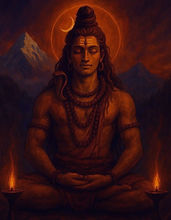
Exploring Spirituality in Modern Life Through Different Cultures and Personal Journeys
Spirituality often feels like a personal and sometimes elusive concept. It can mean different things to different people, yet it plays a significant role in many lives today. In a world filled with rapid change and constant distractions, spirituality offers a way to find meaning, connection, and peace. This post explores what spirituality means, how it appears across cultures and religions, shares personal stories of spiritual journeys, and highlights the benefits it brings to mental and emotional well-being. Finally, it invites you to reflect on your own spiritual path.

What Spirituality Means Today
Spirituality is often described as a search for meaning beyond the material world. It involves a sense of connection to something greater than oneself, whether that is nature, the universe, a higher power, or the inner self. Unlike religion, which usually follows specific doctrines and rituals, spirituality is more personal and flexible. It can include practices like meditation, prayer, mindfulness, or simply moments of reflection.
In modern life, spirituality helps many people cope with stress, uncertainty, and feelings of isolation. It encourages looking inward and understanding one’s values and purpose. This inward journey can lead to greater self-awareness and a deeper appreciation of life.
Spirituality Across Cultures and Religions
Spirituality takes many forms around the world, shaped by cultural and religious traditions. Here are a few examples:
Buddhism focuses on mindfulness and the path to enlightenment through meditation and ethical living. It teaches detachment from suffering and finding peace within.
Christianity often links spirituality to a relationship with God, expressed through prayer, worship, and acts of compassion.
Indigenous traditions frequently emphasize harmony with nature and ancestors, seeing the spiritual world as intertwined with daily life.
Hinduism explores spirituality through concepts like karma, dharma, and moksha, with practices such as yoga and chanting.
Sufism, the mystical branch of Islam, centers on love and union with the divine through poetry, music, and meditation.
Each tradition offers unique ways to connect with the spiritual dimension, but all share a common goal: to deepen understanding and experience of life beyond the physical.
Personal Stories of Spiritual Journeys
Spirituality often unfolds through personal experience rather than formal teaching. Here are two brief examples:
A friend of mine found spirituality after a period of intense stress at work. She began practicing daily meditation and journaling her thoughts. Over time, she noticed a shift in how she handled challenges, feeling calmer and more grounded. Her journey showed how spirituality can grow from simple, consistent habits.
Another person I know traveled to India seeking answers about life’s purpose. Immersed in the culture and spiritual practices, he experienced moments of clarity and connection that changed his outlook. His story highlights how travel and exposure to different beliefs can open new spiritual doors.
These examples show that spirituality is not a fixed destination but a personal path shaped by experiences, reflection, and growth.
Benefits of Spirituality for Mental and Emotional Well-being
Research supports what many spiritual practitioners have long known: spirituality can improve mental and emotional health. Some benefits include:
Reduced stress and anxiety: Practices like meditation and prayer help calm the mind and body.
Greater resilience: Spiritual beliefs can provide hope and strength during difficult times.
Improved relationships: A sense of connection encourages empathy, compassion, and forgiveness.
Enhanced self-awareness: Spiritual reflection helps people understand their emotions and motivations.
Increased sense of purpose: Feeling connected to something larger can give life more meaning.
For example, studies show that mindfulness meditation reduces symptoms of depression and anxiety. People who engage in spiritual practices often report higher life satisfaction and better coping skills.
Reflecting on Your Own Spiritual Path
Spirituality is deeply personal, and there is no right or wrong way to explore it. Here are some questions to consider as you reflect on your own beliefs and practices:
What gives your life meaning beyond daily routines and material success?
Do you have moments when you feel connected to something greater? What are they like?
Are there spiritual practices or traditions that resonate with you?
How do you handle stress and uncertainty? Could spiritual tools help?
What values guide your decisions and relationships?
You might try simple steps like spending time in nature, practicing gratitude, or exploring meditation. Journaling your thoughts can also reveal insights about your spiritual needs and growth.


Comments